You probably want to find ways to reduce your risk of developing heart disease and avoid a heart attack or stroke if you just received a diagnosis of high blood pressure, increased cholesterol, or prediabetes. Health care professionals concur that leading an active lifestyle, eating well, managing stress, and maintaining a healthy weight are all crucial aspects of a lifestyle that promotes heart health. It’s not always clear what role vitamins for heart health play.

What are the best heart health supplements?
Although there are many excellent supplements that can improve heart health, none of them can prevent heart disease, according to Gina Sirchio-Lotus, a functional medicine doctor, certified clinical nutritionist, and founder of the LG Institute of Health in Chicago, Illinois. The ideal way to use supplements is as a part of a comprehensive heart health strategy that also includes a healthy diet, frequent exercise, and sound sleep practices.
Seven nutrients can be beneficial additions to a heart-healthy way of life:
- Omega-3 fatty acids
- Magnesium
- Inositol
- Folate
- Grape seed extract
- Coenzyme CoQ10
- Vitamin D
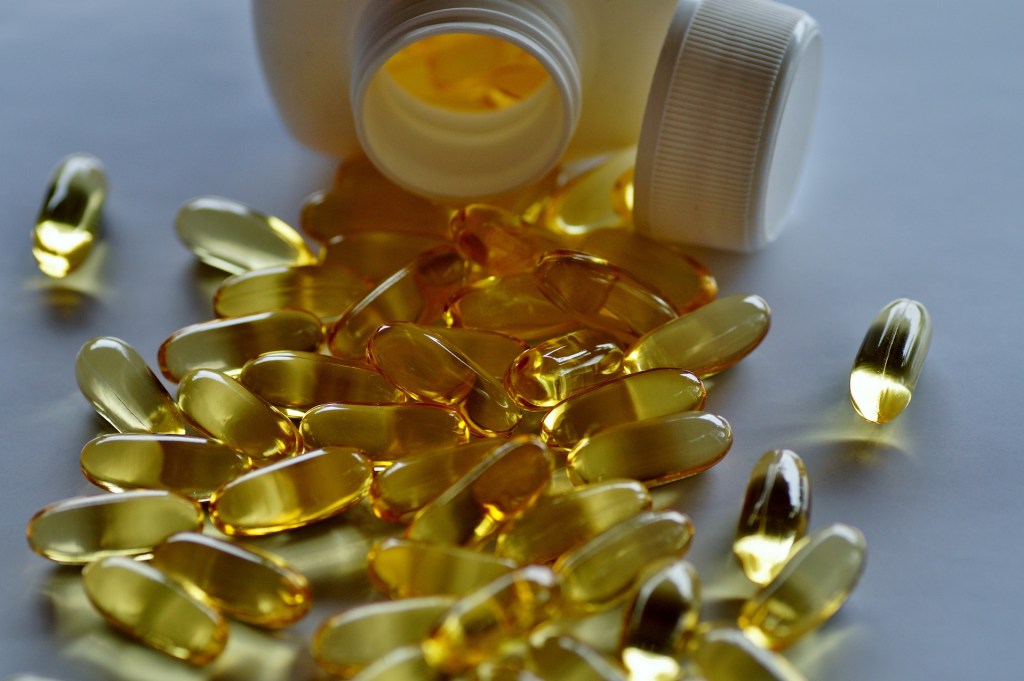
7 supplements for heart health
Sirchio-Lotus advises consulting your doctor before starting any new supplement because the Food and Drug Administration (FDA) does not regulate nutritional supplements.
Although supplements have many positive health effects, they can also pose a concern since they occasionally combine with other supplements, over-the-counter drugs, and prescription drugs, according to Sirchio-Lotus. You can prevent any unexpected side effects by having a conversation with your medical team or your pharmacist.
1. Omega-3 fatty acids
Omega-3 fatty acids found in fatty fish, such sardines, mackerel, and salmon, have been linked to lowering triglycerides, blood pressure, inflammation, as well as lowering the risk of heart disease and stroke. Omega-3s are also abundant in flaxseed oil, chia seeds, walnuts, and canola oil in addition to fish. Your blood can be tested to determine your omega-3 levels, and if you have a deficiency, your doctor may advise a supplement. A suitable starting point for an omega-3 supplement is thought to be a target dose of 1 gram per day. However, if a patient’s triglyceride levels are really high, some doctors may suggest that they raise their dosage.
Omega-3 fish oil supplements have been found to raise levels of (good) HDL cholesterol and lower plaque accumulation in the arteries.
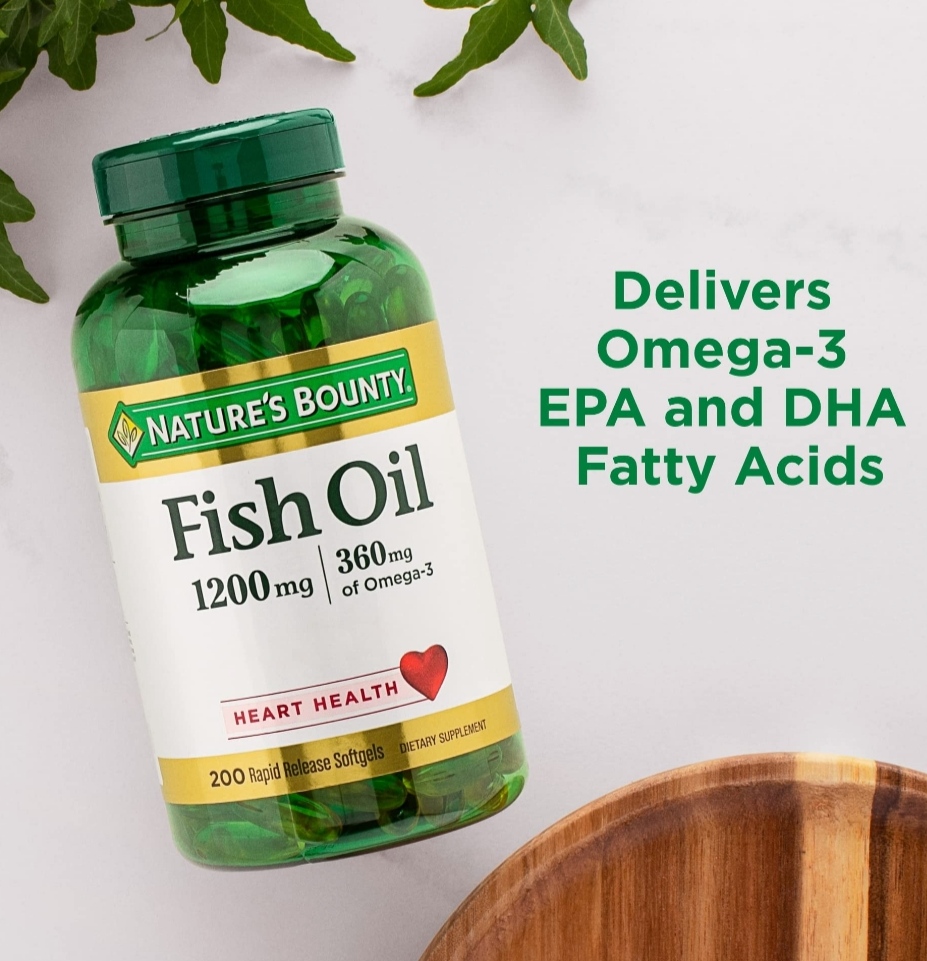
According to a study recently published in the European Heart Journal, the drug Vascepa (icosapent ethyl) not only helped to reduce plaque in the heart’s arteries but also significantly decreased the risk of heart attack and stroke in people who were already at an increased risk of developing heart disease by 26%. Vascepa, which the FDA initially approved in 2012 to lower triglycerides, was given permission for a second use in 2019 as an auxiliary medication for lowering cardiovascular risk. An extremely pure version of EPA, an omega-3 fatty acid found in fish, is used to make Vascepa. As a supplement to statin therapy, it is the first FDA-approved medication to lower cardiovascular risk in patients with elevated triglyceride levels.
2. Magnesium
Despite the fact that your body needs magnesium to function properly, research indicates that up to 50% of Americans are lacking in it. Excessive blood pressure, the development of plaque, and high cholesterol have all been linked to low magnesium levels. Cortisol, the body’s main stress hormone, can be reduced by a low dose magnesium supplement, according to Dr. Malkin. Additionally, cortisol is crucial in lowering inflammation and controlling blood sugar levels.
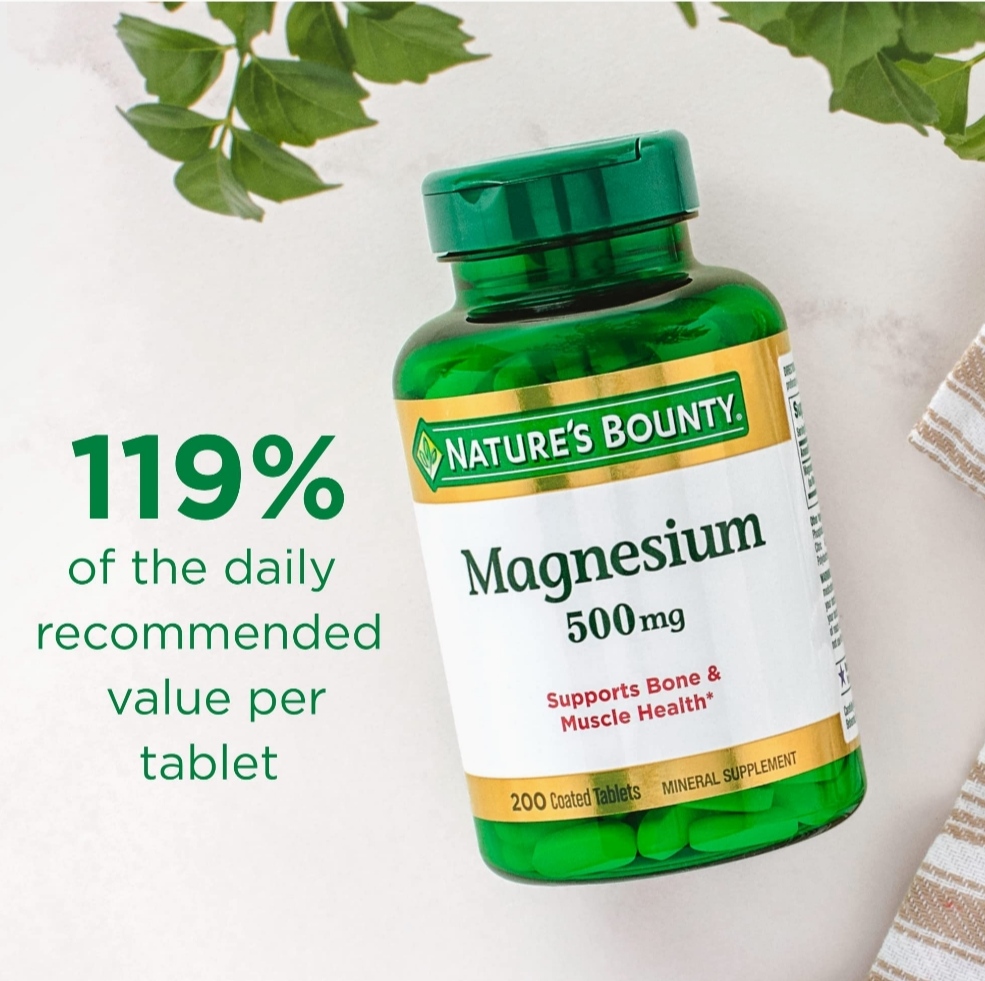
According to one study, magnesium also reduced the risk of heart attacks, improved insulin resistance, and helped lower blood pressure by up to 12 points.
3. Inositol
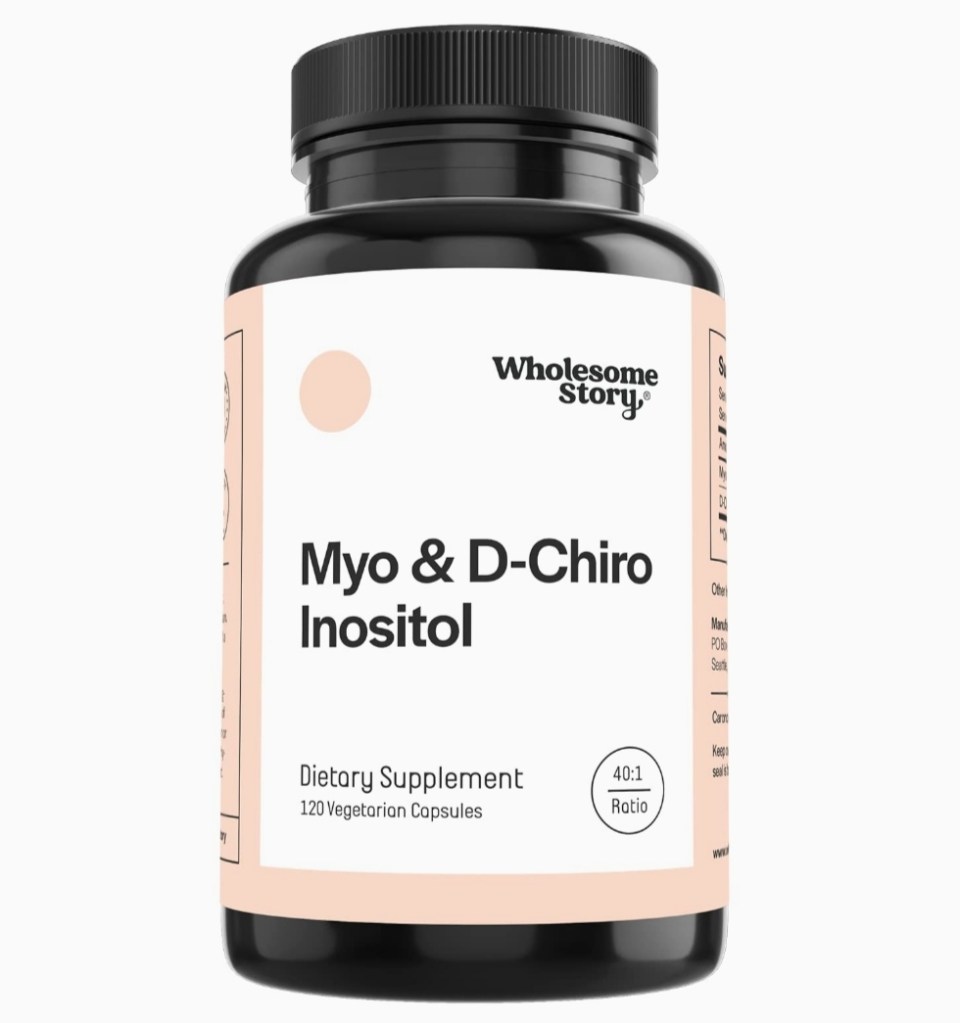
Sirchio-Lotus claims that inositol, a carbohydrate present in our bodies, can lower blood sugar levels by enhancing insulin sensitivity. « Inositol can improve insulin resistance in addition to adopting a healthy eating plan that is rich in nutrients and low in fat and calories, and decreasing weight, » she claims. According to one study, women who consumed 4 grams of inositol daily saw improvements in their blood pressure, cholesterol, and insulin sensitivity—all of which lower the risk of heart disease.
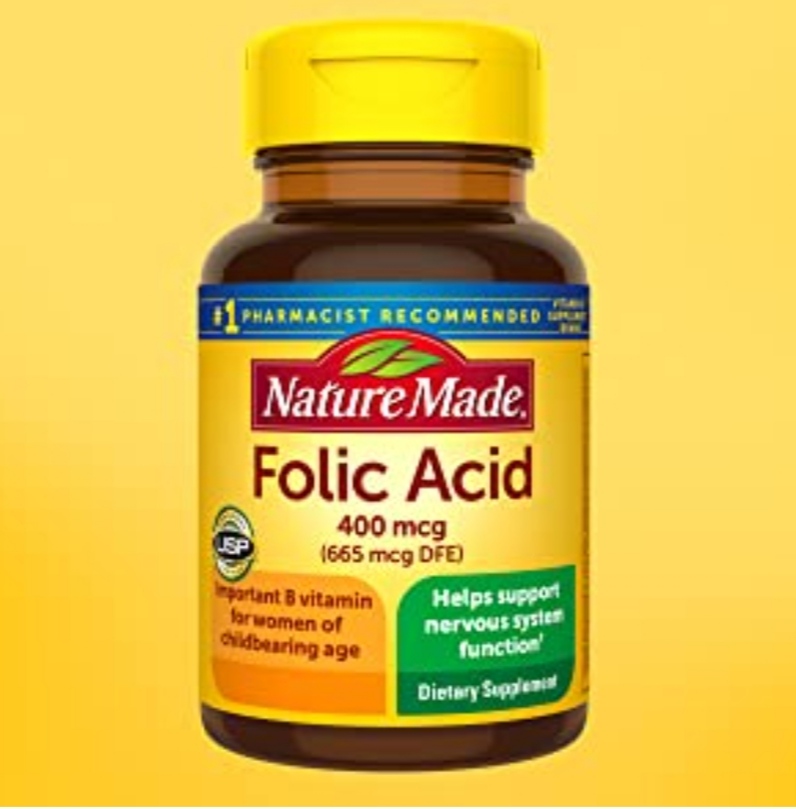
4. Folate (folic acid)
It has been demonstrated that this B vitamin lowers the risk of heart attack and stroke in persons with high blood pressure. A folate supplement may be necessary for some people who have celiac disease or an inflammatory bowel condition like Crohn’s disease, even though folate is best when consumed in foods like citrus fruit, legumes, and vegetables. According to Dr. Malkin, there are really no drawbacks to taking a pill if you have a folate deficiency. According to one study, daily consumption of folic acid can lower the risk of stroke.
A number of pharmaceuticals, including seizure medications like Dilantin (phenytoin) and Rheumatrex (methotrexate), used to treat autoimmune diseases, can also influence how the body absorbs folate. Before beginning a folate supplement and to identify the appropriate dosage, consult your doctor.
5. Grape seed extract
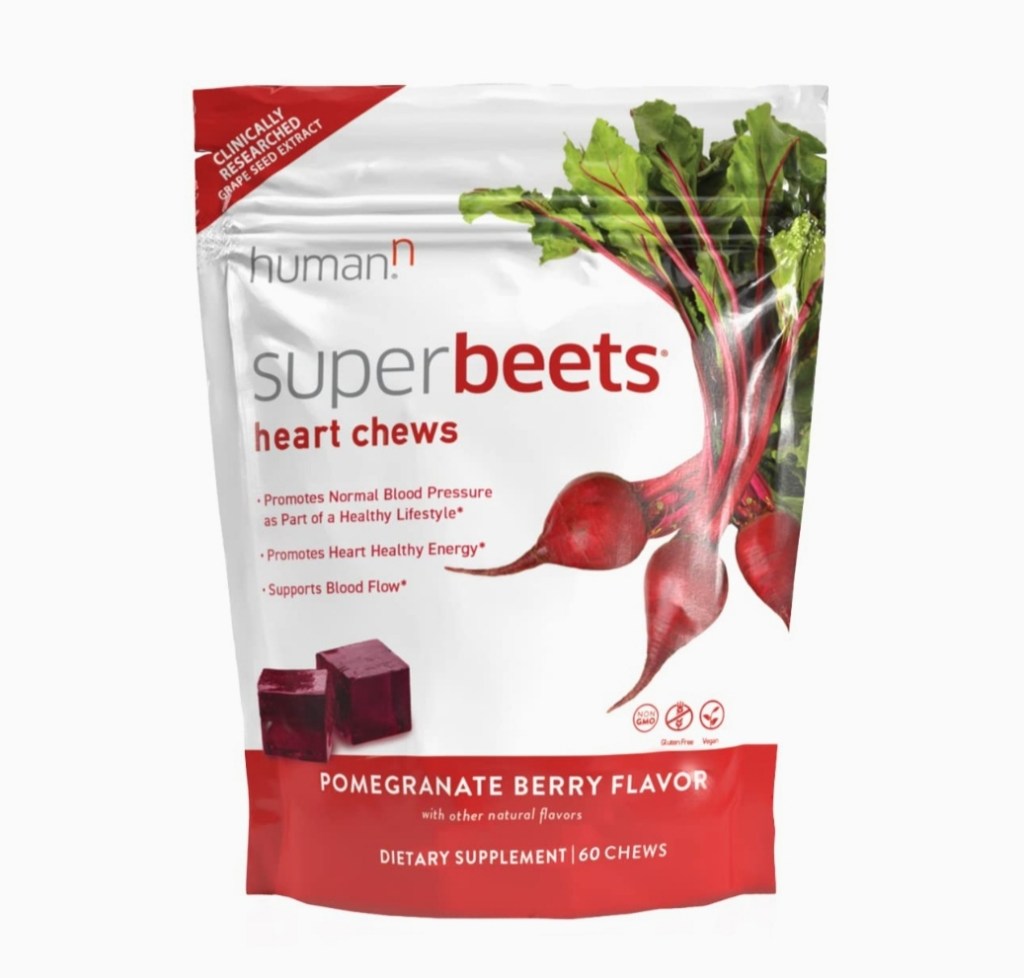
High dosages of grape seed extract (GSE) have been demonstrated to effectively lower blood pressure in those who have been diagnosed with prehypertension, an early stage of high blood pressure. The study discovered that consuming 100mg-800mg of GSE daily for eight to sixteen weeks dramatically lowered blood pressure since it is packed with antioxidants.
6. Coenzyme CoQ10
Although the body produces CoQ10 naturally, you can increase your intake by consuming foods like salmon, tuna, broccoli, and cauliflower.
Sirchio-Lotus claims that adding a CoQ10 supplement might lessen the muscle and joint pain that people feel as a side consequence of taking cholesterol-lowering statin drugs. According to Sirchio-Lotus, « in many other nations, physicians advise people to take both stains and CoQ10. »
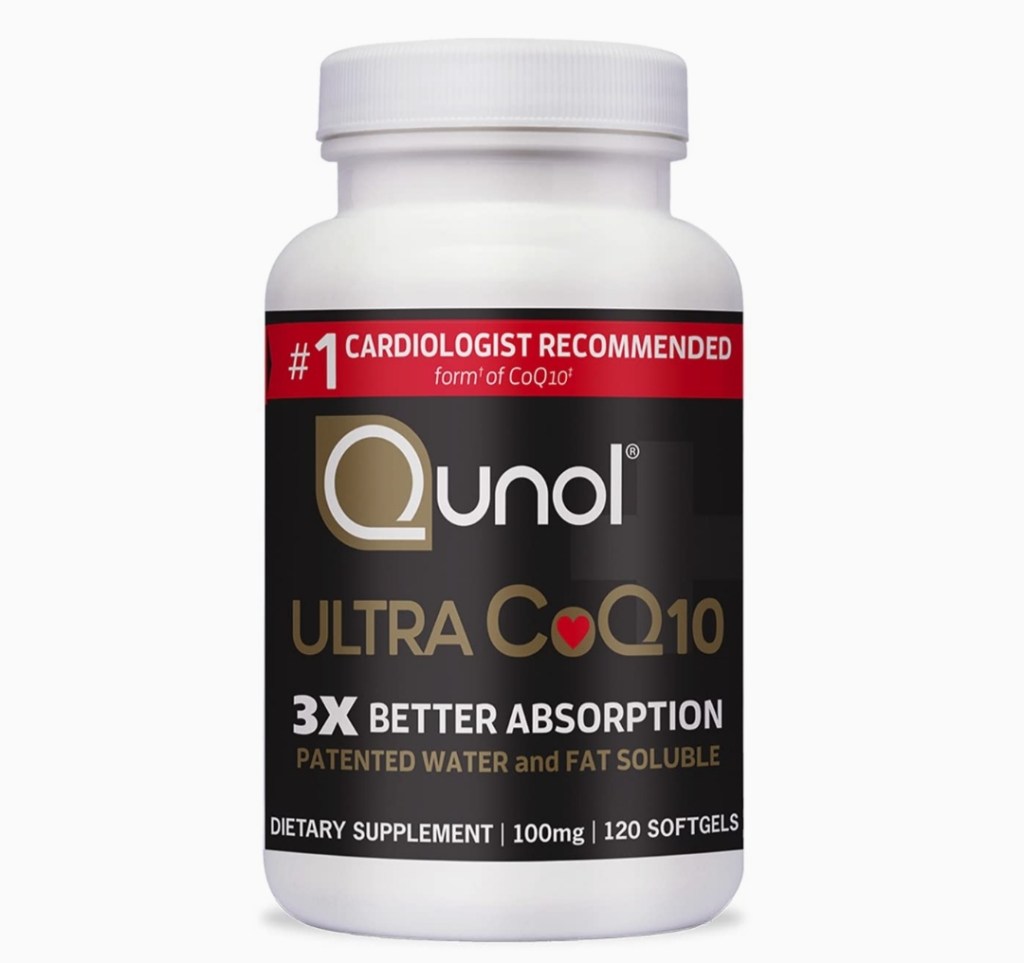
A recent study found that people with high triglycerides, high cholesterol, and a history of heart attack saw improvements in both their LDL and HDL cholesterol levels and blood pressure after taking 200 mg of CoQ10 daily for 12 weeks. Other research suggests that CoQ10 may help to lower blood pressure.
7. Vitamin D
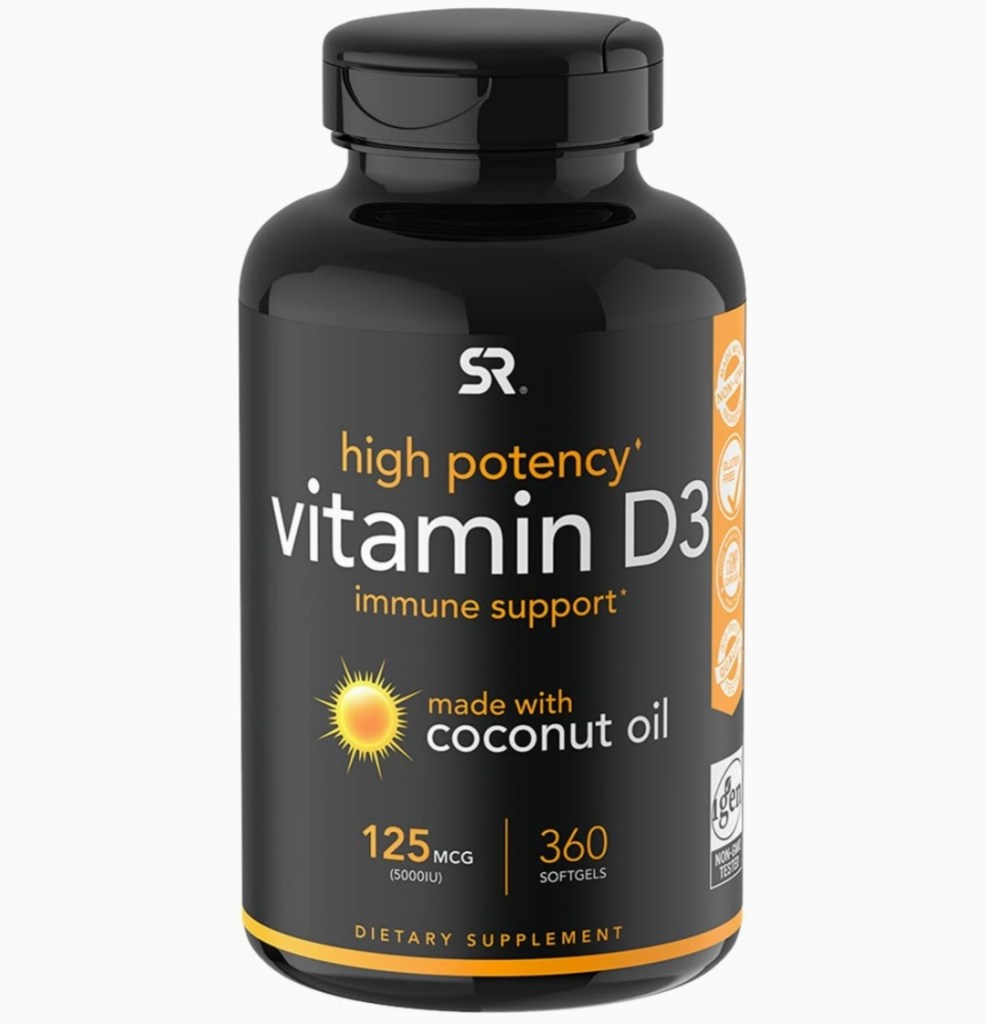
Dr. Malkin claims that vitamin D protects bones, boosts energy, and controls insulin levels, all of which are beneficial to your heart and general health. According to one study, increasing vitamin D levels by getting five to ten minutes of sun exposure, two to three times per week, eating foods strong in vitamin D (such as eggs, cheese, tuna, fortified milk, cereals, and juices), or taking supplements can lower high blood pressure. According to other research, vitamin D may lower the incidence of diabetes and assist avoid strokes.
« If a blood test reveals that someone is lacking in vitamin D or even in the low-normal levels, their doctor may prescribe starting with a vitamin D supplement, » adds Dr. Malkin, who states that 2000 IU per day from a supplement is the recommended starting dose.You can find some types of vitamin D supplements here .
How to choose a heart health supplement
Sirchio-Lotus advises consumers to choose heart-health supplements that are free of undesirable components like artificial colors or fillers.
Consult your medical team about getting tested to determine whether you are nutrient deficient before going the supplement way.
Additionally, search for supplements bearing the USP Verified label. USP is an independent, nonprofit organization that develops dietary supplement quality standards that are publicly recognized by the government. Their endorsement proves the item satisfies strict quality requirements.
 Nutritionbase
Laisser un commentaire